
Hardwood floors should be refinished when the finish wears down, scratches reach the wood, or the surface becomes dull and uneven. For homeowners considering Floor sanding and refinishing in Monroe Township, NJ, the right time depends on foot traffic, floor condition, and previous maintenance. Regular inspections can help you spot damage early and decide whether your hardwood needs a new protective coat, full refinishing, or repairs.
Notice When Your Floor Starts Looking Dull
One of the first signs that hardwood floors may need attention is a loss of shine. Areas near entrances, hallways, and living rooms often show wear sooner because people walk across them more often. A floor may also look uneven in color, even when it is clean. This can happen when the protective finish wears away in some areas but remains intact in others.
Signs to Watch For
- The floor looks dull even after cleaning.
- High-traffic areas look different from less-used spaces.
- The finish appears thin or worn.
- The wood looks dry or faded in certain spots.
If these changes are becoming more noticeable, have the floor checked to see whether a new finish or full refinishing is needed.
Check for Scratches, Scuffs, and Dents
Everyday activities can leave marks on hardwood floors. Pet claws, shoes, dropped objects, and furniture movement may cause scratches or dents over time. Small marks may only affect the surface finish. Deeper scratches can reach the wood itself, making them harder to repair with simple cleaning or polishing products.
When Refinishing May Help
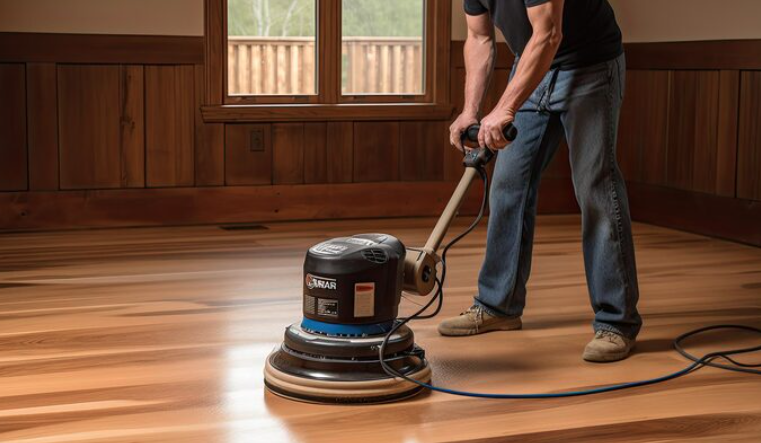
Sanding removes a thin layer from the wood surface, helping smooth out many scratches and worn areas. A new finish is then applied to protect the floor and improve its appearance.
However, very deep dents, damaged boards, or large areas of missing wood may need additional repairs. An inspection can help determine whether refinishing is enough or whether some boards should be replaced.
Look for Water Marks and Changes in Color
Water spills, wet shoes, and leaks can leave marks on hardwood. Sunlight can also cause some areas to fade or change color over time. These changes may make an otherwise attractive floor look old.
Not every stain can be removed through sanding. If moisture has caused the wood to swell, soften, or become damaged, the affected boards may need repair or replacement first.
Before planning refinishing, identify the cause of the discoloration. Fixing an ongoing leak or moisture problem is important before applying a new finish.
Know the Difference between Recoating and Refinishing
A floor with light surface wear may not need full sanding. In some cases, applying a new protective coat may improve its appearance. This is often called recoating.
Full refinishing involves sanding the existing finish and, when needed, removing a thin layer of wood before applying a new stain or protective finish.
Which Option Fits Your Floor?
Consider these common signs:
- Recoating: The finish looks dull or has light surface marks, but the wood underneath remains in good condition.
- Refinishing: Scratches reach the wood, the finish has worn away in several areas, or the color needs a fresh start.
- Board repair: Some boards are cracked, loose, swollen, or badly damaged.
A flooring professional can examine the floor and explain which option makes sense for your home.
Check the Floor’s Age and Wear
There is no single schedule that works for every hardwood floor. Some floors need attention after several years of heavy use, while others can go much longer without full refinishing.
The amount of foot traffic, cleaning habits, pets, furniture movement, and the type of finish all affect how quickly a floor wears down.
Instead of relying only on the number of years since the last project, look at the floor’s current condition. Regular cleaning, protective pads under furniture, and mats near entrances can help reduce wear between refinishing projects.
Check If Your Hardwood Can Be Sanded Again
Before planning a refinishing project, it is important to know what kind of flooring you have. Solid hardwood is made from a single piece of wood and can often be refinished several times, depending on its thickness and condition.
Engineered hardwood has a real wood layer over a core made from other materials. Whether it can be sanded depends on the thickness of that top layer and the manufacturer’s guidance.
Repeated sanding removes some wood each time. A professional inspection can help determine whether your floor has enough usable material for another refinishing project.
Compare Refinishing With Installing New Flooring
Refinishing may be a practical choice when the existing hardwood is structurally sound but looks worn. It allows you to improve the surface without removing the entire floor.
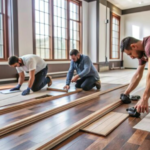
However, replacement may be the better option when boards have widespread damage, serious moisture problems, or repairs that would be difficult to complete. The cost and amount of work needed should also be considered.
If your hardwood cannot be restored, other flooring materials may be worth exploring. For example, Laminate flooring in Monroe Township, NJ can offer a wood-inspired look with different styles and care needs. The right choice depends on your home, budget, and preferred appearance.
Plan Your Refinishing Project Carefully
Before starting work, remove furniture from the area and discuss any repairs that may be needed. The floor should be checked for loose boards, gaps, stains, and other problems that could affect the result. Homeowners looking for a Flooring contractor in Woodbridge, NJ should also ask about the contractor’s experience, preparation process, finish options, and project timeline.
Questions to Ask Before Work Begins
- Does the floor need full sanding or only a new finish?
- Will damaged boards need repair?
- What stain and finish options are available?
- How will dust be controlled during sanding?
- How long will the floor need before normal use?
Clear answers can help you plan around furniture, family routines, and the time needed for the new finish to dry and cure.
Frequently Asked Questions
- How often should hardwood floors be refinished in Monroe Township, NJ?
Hardwood floors may need refinishing every several years, but the timing depends on foot traffic, finish quality, and daily care. Check the floor’s condition instead of following a fixed schedule.
- What are the signs that hardwood floors need sanding and refinishing?
Common signs include deep scratches, worn finish, dull areas, faded color, and visible wood in busy spots. If cleaning no longer improves the appearance, a professional inspection can help determine the next step.
- How do you know whether hardwood floors need refinishing or just recoating?
Recoating may suit floors with light surface wear and an otherwise sound finish. Refinishing is often needed when scratches reach the wood, the finish has worn away, or the floor needs a color change.
- Can deep scratches and dents be removed through hardwood floor refinishing?
Sanding can reduce many scratches and some shallow dents. Very deep marks may remain or require board repairs. The results depend on the wood’s condition, the depth of the damage, and the available wood thickness.
- Can water stains and discoloration be fixed by sanding and refinishing hardwood floors?
Some stains and color changes can improve with sanding, but results depend on how deeply the damage reaches. Swollen, soft, or badly stained boards may need repairs or replacement before refinishing.
- How long does floor sanding and refinishing take in Monroe Township, NJ?
Many projects take several days, depending on room size, floor condition, repairs, and finish type. Drying and curing times also matter. Your contractor should explain when the floor can safely be used again.
- Can engineered hardwood floors be sanded and refinished?
Some engineered hardwood floors can be refinished, but others have a wood layer that is too thin. Check the manufacturer’s guidance and have a professional assess the surface before sanding begins.
- How many times can solid hardwood floors be refinished?
Solid hardwood can often be refinished several times, but the exact number depends on board thickness, previous sanding, and remaining usable wood. A professional inspection can help determine whether another refinishing project is suitable.
- Is dustless floor sanding better for a home refinishing project?
Dustless sanding systems help reduce airborne dust during the work, which can make cleanup easier. However, no system removes all dust. Ask the contractor how they control dust and protect nearby areas.
- When should you refinish hardwood floors instead of replacing them?
Refinishing may be suitable when the wood is structurally sound but has scratches, dullness, or a worn finish. Replacement may be better for widespread damage, serious moisture problems, or boards that cannot be repaired.
Restore the Look of Your Hardwood Floors
At America General Floors, we help homeowners assess their flooring needs and explore options for hardwood sanding, refinishing, and new floor installation. Contact us today to discuss your project and request a free on-site estimate. Our team can help you understand whether refinishing or replacement is the better fit for your home.