
Is your basement an unfinished space that you rarely use, or are you ready to turn it into a family room, home office, or extra living area? The right flooring can help you make better use of the space. But before choosing a color or style, think about moisture, comfort, and how you plan to use the room.
Hardwood Basement flooring installation may sound appealing, but not every floor works well below ground. Comparing your options before installation can help you avoid costly mistakes and create a basement your family will enjoy.
Start With the Biggest Basement Flooring Concern: Moisture
Basements face a problem that most upstairs rooms do not: moisture from the ground. Even when concrete looks dry, moisture may still pass through it. A small leak or damp area can also damage the wrong type of flooring.
Before picking a floor, check for water stains, musty smells, cracks, and damp spots. If your basement has a history of leaks, fix the problem before installing new flooring.
A proper floor check should include:
- Testing the concrete for moisture.
- Checking for cracks and uneven areas.
- Making sure the floor is clean and ready for installation.
- Finding out whether a moisture barrier or special underlayment is needed.
These steps matter because a beautiful floor will not stay that way if the surface underneath is not ready.
Find the Right Flooring for Your Basement
Once you understand the condition of your basement, you can compare flooring materials. Think about the room you want to create, the amount you plan to spend, and how much care the floor will need.
LVP Flooring for Busy Family Spaces
Do you want a basement where children can play, friends can gather, or family members can relax without worrying about every spill? LVPflooring installation may be a good option to consider.
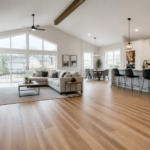
Luxury vinyl plank flooring comes in wood-look styles and is easy to clean. Many products are waterproof, making them useful for basement spaces. However, waterproof flooring does not stop moisture from passing through concrete, so proper preparation is still important.
LVP may be worth considering for:
- Family rooms and play areas.
- Home offices that need a clean, finished look.
- Spaces where easy cleaning is a priority.
- Basements where a wood-style appearance is desired without real wood.
Check that the product is approved for basement use before making your final choice.
Laminate Flooring for a Wood-Look Style
If you like the look of wood but want to compare different price points, laminate flooring installation may be another option. Laminate comes in many colors and patterns, allowing you to match the floor with your furniture and wall colors.
However, not all laminate products handle water well. Some can swell when moisture reaches the core. For this reason, laminate is best considered only when the basement is dry, and the selected product is approved for below-ground installation. Before buying, ask about water resistance, underlayment, and the care needed to keep the floor in good shape.
Engineered Hardwood for a Natural Wood Finish
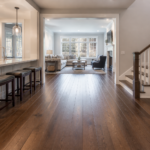
Real wood can give a basement a warm and welcoming feel. Engineered hardwood flooring installation may be possible when you choose a product designed for below-grade use, and the basement meets its installation requirements.
Engineered hardwood has a real wood surface over layers of supporting material. This design can help it handle changes in conditions better than solid hardwood, but it is not waterproof.
Before choosing engineered hardwood, make sure:
- The manufacturer allows installation below ground.
- The concrete passes the required moisture checks.
- The correct installation method is used.
- Any required moisture-control system is in place.
Solid hardwood is generally not recommended for below-grade basement installation because changes in moisture can cause it to expand, shrink, or warp.
Prepare the Floor before Adding New Flooring
Imagine buying beautiful new flooring only to find that the planks do not sit evenly or begin to show damage. Poor floor preparation can lead to these problems.
Concrete may need cleaning, crack repairs, or leveling before installation. The right moisture barrier or underlayment will depend on the product you select. Your installer should follow the manufacturer’s instructions instead of using the same method for every floor.
Proper preparation helps create a stable surface and gives the new flooring a better chance of lasting. It also helps identify problems before they become harder and more costly to fix.
Match the Floor to the Room You Want to Create
Your basement’s purpose should guide your flooring choice. A workout room has different needs from a guest room or a space where children play.
Here are a few ways to narrow down your options:
- Family room: Consider LVP for its wood-like appearance and easy cleaning.
- Home office: Compare LVP, laminate, and approved engineered hardwood based on style and comfort.
- Guest room: Choose flooring that suits the basement’s moisture conditions and planned use.
- Laundry area: Focus on water resistance and the product’s installation rules.
- Exercise space: Check whether the flooring can handle equipment and regular activity.
There is no single flooring choice that works for every basement. The best option is one that suits the room and the condition of the floor beneath it.
Do Not Overlook the Floors in the Rest of Your Home
A basement project may also make you notice scratches, dull spots, or worn areas on the hardwood floors upstairs. In many cases, wood floor refinishing can improve the look of existing hardwood without replacing the entire floor.
Sanding and refinishing can remove worn surface layers and give suitable wood floors a fresh finish. The result depends on the floor’s condition, thickness, and previous repairs.
If your upstairs floors look tired while you are planning a basement update, ask about refinishing as a separate part of your home improvement plan.
Plan Your Basement Flooring Budget
The cost of basement flooring depends on the material, room size, floor condition, and amount of preparation needed. Removing old flooring, repairing concrete, and adding moisture protection can increase the total cost.
Before work begins, ask for a written estimate that includes:
- Flooring materials and installation labor.
- Removal of old flooring, if needed.
- Concrete repairs and preparation.
- Underlayment or moisture-control work.
- The expected timeline and any extra charges.
Compare estimates for similar materials and services. This helps you understand what each company offers and choose a floor that fits your budget without overlooking important work.
Frequently Asked Questions
1.What is the best flooring for basement installation?
LVP is a popular choice because many products are waterproof and easy to clean. Engineered hardwood or laminate may also work in suitable dry basements if the products are approved for below-grade installation. Always check moisture levels first.
2.Why is moisture testing important before basement flooring installation?
Moisture testing helps show whether the concrete is ready for new flooring. Too much moisture can damage some materials and lead to loose flooring or mold problems. Testing helps you choose the right product and preparation method.
3.Is LVP flooring a good choice for a basement?
Yes. Many LVP products are waterproof and offer a wood-like look that works well in finished basements. The concrete still needs proper preparation, and the product must be suitable for below-ground installation.
4.Can engineered hardwood flooring be installed in a basement?
Some engineered hardwood products are approved for basement use. Check the manufacturer’s rules, test the concrete for moisture, and use the required installation method. Engineered hardwood is not waterproof, so moisture control remains important.
5.Is laminate flooring suitable for basement installation?
Laminate may work in a dry basement when the product is approved for below-grade use. Since some types can swell after water exposure, check the product’s water-resistance rating and follow the manufacturer’s instructions.
6.How should a concrete basement floor be prepared before installation?
The concrete should be clean, stable, and level within the flooring product’s limits. Check for moisture, repair cracks, and fix uneven areas as needed. Follow the manufacturer’s instructions for underlayment and moisture protection.
7.Do you need a vapor barrier or moisture barrier under basement flooring?
Some flooring products require a vapor barrier or other moisture-control system, while others have different needs. The correct choice depends on the concrete, flooring material, and manufacturer’s instructions.
8.What is the difference between LVP, laminate, and engineered hardwood for basements?
LVP is a vinyl product, and many options are waterproof. Laminate offers a wood-like look but may be damaged by water. Engineered hardwood has a real wood surface but needs careful moisture control.
9.How much does basement flooring installation typically cost?
The price depends on the basement size, flooring material, labor, and floor preparation. Removing old flooring or repairing concrete can add to the cost. A written estimate based on your basement’s condition will give you a clearer price.
10.How do you choose the right basement flooring based on moisture, budget, and room use?
First, check moisture levels and fix any water problems. Then compare products approved for basement use, keeping your budget, room purpose, comfort, and cleaning needs in mind. A professional assessment can help you choose a suitable option.
Give Your Basement a Fresh Start
Your basement does not have to remain a bare, unused space. With the right flooring, it can become a comfortable area for family time, work, or relaxation. America General Floors helps homeowners explore flooring options, install hardwood and vinyl flooring, and refresh existing hardwood through sanding and refinishing.
Contact us today for a free on-site estimate. We will review your space, discuss suitable flooring choices, and help you plan the next steps for your project.